
Enhancing Patient Safety Through Regular Medical Gas Leak Testing
12/17/20251 min read
Understanding the Importance of Medical Gas Leak Tests
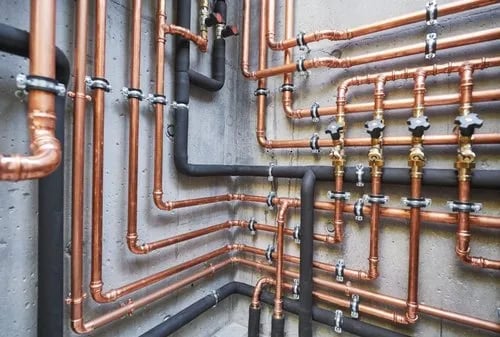
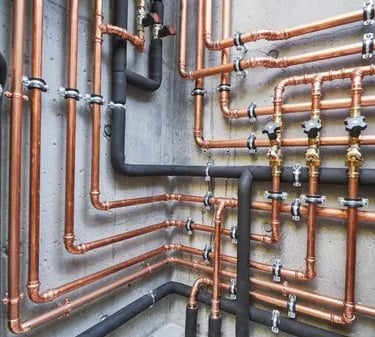
In healthcare facilities, the integrity of medical gas systems is vital to ensure patient safety. Medical gas leaks are often invisible and silent, making them particularly dangerous. Regular leak testing should not be viewed merely as a maintenance task; it is a crucial patient safety protocol. By implementing routine checks, hospitals can significantly mitigate risks associated with undetected gas leaks.
Risks Associated with Undetected Gas Leaks
Undetected medical gas leaks can lead to numerous complications that can jeopardize patient well-being. For instance, a drop in oxygen pressure can occur in critical areas such as Intensive Care Units (ICUs) and Operating Theaters (OTs), affecting patient care during crucial moments. Furthermore, inconsistencies in anesthesia delivery can arise, resulting in the risk of hypoxia during critical procedures. These situations warrant immediate attention, as they not only pose risks to individual patients but also to overall hospital safety. Additionally, leaks can increase fire hazards and contamination risks, threatening not only patients but also hospital staff and infrastructure.
Benefits of Regular Leak Testing in Hospitals
Conducting regular leak tests is imperative for hospitals for multiple reasons. Firstly, these tests play an essential role in detecting hidden faults before they escalate into significant issues. By promptly identifying leaks, healthcare facilities can maintain stable pressure across the medical gas pipeline, ensuring that patients receive the necessary gas supply consistently. This becomes particularly critical during emergencies where uninterrupted gas supply could mean the difference between life and death.
Moreover, regular testing helps extend the lifespan of medical equipment by preventing undue stress from pressure fluctuations, thereby reducing breakdowns and the costs associated with emergency repairs. Compliance with NABH and global safety standards is another key benefit facilitated by systematic leak testing, which reassures patients and their families about the commitment to high safety standards in the hospital environment. In conclusion, regular medical gas leak tests are not merely a technical requirement but a core component of patient safety protocols that healthcare facilities cannot afford to overlook.
Services
© 2024. All rights reserved.
Products

We're Making it easier to find Better Medical Devices
Find us on Map:
Contact Information
Phone: +91 9029457428 | +91 9833236604 | +91 7506374381
Email : medevices2018@gmail.com | sales@medevices.in