
Understanding Medical Vacuum Systems: A Comprehensive Guide for Hospitals
9/15/20262 min read

Introduction to Medical Vacuum Systems
Medical vacuum systems play a vital role in healthcare facilities, particularly in hospitals where they are essential for various applications such as suctioning, sterilization, and waste management. Understanding how these systems operate and how to select the right one tailored to hospital needs is crucial for efficient patient care.
Key Components of Medical Vacuum Systems
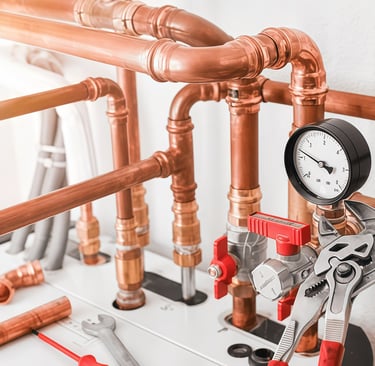
A typical medical vacuum system comprises vacuum pumps, receivers, filtration systems, controls, and a network of pipeline distribution. Each component performs distinct functions to ensure effective operation. Vacuum pumps create the necessary negative pressure, while receivers collect and store the vacuumed substances. Filtration systems ensure that the air remains clean, protecting both patients and staff from airborne contaminants.
Controls regulate the performance of the system, responding to set parameters to maintain consistent vacuum levels. An efficient pipeline distribution network ensures that vacuum is available where needed throughout the hospital. When designing these systems, redundancy is a critical aspect. A reliable backup system is necessary to ensure continuous operation, especially in critical departments such as operating rooms and intensive care units.
Capacity Selection for Medical Vacuum Systems
When selecting the right medical vacuum system for a hospital, it is vital to understand demand calculation. Common misconceptions exist regarding establishing capacity based solely on bed count, which does not paint a complete picture of a hospital's requirements. Factors like the types of procedures performed, peak demand times, and specific departmental needs also significantly influence the necessary capacity.
Critical departments often require higher levels of vacuum capacity and involve unique applications, making it crucial to tailor solutions to each specific environment. Furthermore, energy efficiency should be a priority during selection, as optimized systems can lead to significant cost savings in the long run. Regular maintenance of the vacuum systems is also essential to ensure longevity and reliability, requiring an ongoing commitment from hospital management.
Conclusion
In conclusion, understanding medical vacuum systems and their components is essential for hospitals looking to establish efficient and effective healthcare environments. It goes beyond just selecting a system based on bed count; a deep dive into the operational requirements and departmental needs is necessary for optimal results. By focusing on capacity selection, redundancy, energy efficiency, and maintenance, healthcare facilities can enhance their service delivery while ensuring patient safety and care quality.
Services
© 2024. All rights reserved.
Products

We're Making it easier to find Better Medical Devices
Find us on Map:
Contact Information
Phone: +91 9029457428 | +91 9833236604 | +91 7506374381
Email : medevices2018@gmail.com | sales@medevices.in