
Ensuring Safety: Essential Steps for MGPS Testing and Commissioning
9/21/20261 min read

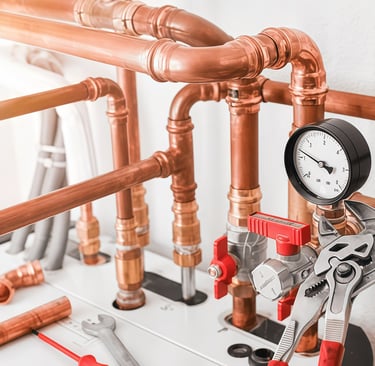
Introduction to MGPS Testing
The Medical Gas Pipeline System (MGPS) plays a critical role in healthcare institutions, delivering essential gases such as oxygen and nitrous oxide safely and effectively. Before a hospital commences operations, it’s imperative to undergo thorough testing and commissioning. This ensures the reliability and safety of the system, significantly reducing risks associated with faulty gas delivery.
Key Verification Steps
Several key verification steps must be conducted during MGPS testing, each contributing to the overall safety and efficacy of the gas delivery system. Firstly, pressure testing is crucial. This process involves confirming that the system can maintain the required pressure levels without any fluctuations, thereby ensuring operational reliability.
Following pressure testing, leakage checks provide another layer of assurance. Technicians must inspect all joints, fittings, and valves for any signs of gas leaks, as even minor leaks can pose significant risks to patients and staff.
Cross-Connection Verification and Beyond
Cross-connection verification is also critical in preventing hazardous situations. This involves ensuring that the gas outlets are correctly connected to their respective sources and do not interfere with other systems. Accidental cross-connections can lead to severe complications in patient care.
Moreover, proper outlet identification is key. Each outlet must clearly indicate the type of gas being delivered, aiding healthcare professionals in making informed decisions during emergencies. Following this, alarm testing should be conducted to verify that all alarms are functional, providing early warning in case of malfunctions.
Documentation and Final Handover
The final steps in MGPS commissioning include comprehensive documentation of all tests performed and their outcomes. This documentation serves as a crucial reference for future maintenance and inspections. It not only confirms that the system meets all required standards but also provides legal proof of compliance.
In conclusion, the importance of thorough MGPS testing and commissioning cannot be overstated. Each step, from pressure testing to final documentation, contributes to establishing a safe environment for patients. Following these protocols ensures that hospitals can reliably deliver the necessary medical gases without compromising safety or quality, ultimately benefiting overall patient care.
Services
© 2024. All rights reserved.
Products

We're Making it easier to find Better Medical Devices
Find us on Map:
Contact Information
Phone: +91 9029457428 | +91 9833236604 | +91 7506374381
Email : medevices2018@gmail.com | sales@medevices.in