
Engineering Safer Hospitals: The Strategic Value of Critical Infrastructure
10/11/20262 min read

Infrastructure Is a Clinical Priority
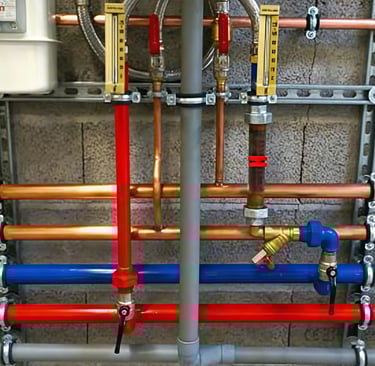
In modern healthcare, patient outcomes depend on far more than clinical expertise and advanced technology. Behind every procedure, ward and emergency response is a network of critical infrastructure that must perform safely and consistently. Medical gas pipeline systems (MGPS), medical air, oxygen, vacuum, anaesthetic gas scavenging systems (AGSS), alarms and specialist equipment form an essential foundation for care.
When these systems operate reliably, they support clinicians without interruption. When they fail, the consequences can be immediate and serious. For hospital owners and senior decision-makers, critical infrastructure should therefore be treated as a strategic clinical asset—not simply as a construction requirement or capital expense.
Looking Beyond Installation Cost
The lowest initial price does not always represent the strongest long-term value. A hospital’s infrastructure must be evaluated through the wider lens of safety, reliability, maintainability and lifecycle performance. Design decisions made during planning and installation can influence operational resilience for decades.
High-quality engineering considers system capacity, redundancy, accessibility, compliance and the demands of future expansion. It also accounts for the realities of a working hospital, where maintenance must often be completed without disrupting patient care. Investing in robust systems at the outset can reduce avoidable downtime, emergency repairs and operational risk over the life of the facility.
Assurance Through Testing and Commissioning
Even the best-designed system cannot deliver its intended value without rigorous testing and commissioning. Every component must be verified against applicable standards, performance requirements and the hospital’s operational needs. This includes pressure testing, flow verification, alarm validation, source equipment checks and confirmation that safety systems respond as intended.
Commissioning is more than a final inspection. It is a structured process that provides evidence that the infrastructure is ready to support clinical services. Clear documentation, staff training and properly defined handover procedures give facilities teams the knowledge required to operate systems confidently from day one.
Maintenance and Intelligence in Operation
Reliability is sustained through disciplined maintenance. Preventive inspections, planned servicing and timely replacement of ageing components help identify weaknesses before they become failures. Maintenance programmes should be risk-based, documented and aligned with the changing needs of the hospital.
Smart monitoring can strengthen this approach by providing clearer visibility into system performance. Real-time data, remote alerts and trend analysis can help teams detect abnormal pressures, rising demand or equipment deterioration earlier. This supports faster decisions, more targeted interventions and better resource planning.
Building for the Future of Care
Healthcare requirements continue to evolve. New clinical technologies, changing patient volumes, energy priorities and stricter expectations for resilience all place fresh demands on hospital infrastructure. A future-ready approach anticipates these changes through scalable design, adaptable equipment and intelligent operational planning.
At MedeDevices, we believe safer hospitals are engineered through thoughtful design, rigorous assurance and enduring partnership. The objective is not merely to install systems, but to create dependable infrastructure that protects patients, supports professionals and strengthens healthcare operations. Our philosophy is simple: “engineering safer hospitals. delivering better care.”
Services
© 2024. All rights reserved.
Products

We're Making it easier to find Better Medical Devices
Find us on Map:
Contact Information
Phone: +91 9029457428 | +91 9833236604 | +91 7506374381
Email : medevices2018@gmail.com | sales@medevices.in