
A Practical Framework for Evaluating MGPS Tender Proposals
10/22/20262 min read

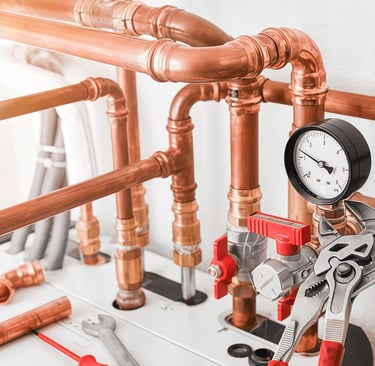
Comparing medical gas pipeline system (MGPS) tenders requires more than lining up quoted prices. Proposals may differ in scope, equipment, materials, testing, warranty and ongoing support. A structured evaluation helps the project team identify compliant bids, document trade-offs and reduce the risk of costly omissions. The lowest-priced offer should only be considered after mandatory technical and safety requirements have been checked.
Establish the evaluation basis
Before reviewing bids, define the required system scope and the criteria that are mandatory. Confirm which gases and vacuum services are included, the areas served, design responsibilities, interfaces with existing infrastructure, and the boundaries between the contractor’s work and other trades. Record clarifications and assumptions so every tender is assessed against the same baseline.
Separate mandatory requirements from scored preferences. For example, compliance with applicable codes, specified performance, approved products and required documentation may be pass-or-fail conditions. Optional enhancements, delivery approach or additional service features can be scored, provided the scoring method is agreed in advance and applied consistently.
Compare technical and commercial details
Use a comparison framework with one row or assessment item for each requirement, and columns for the specification, each bidder’s response, evidence, compliance status, exceptions and evaluator comments. Include at least the following categories:
Scope compliance: identify included and excluded design, supply, installation, coordination, documentation and training. Source equipment: record manufacturers and models for plant, alarms, terminal units and other key components, along with evidence that they meet the specification. Pipeline materials: check material, dimensions, joining methods, identification and relevant certification. Outlets and alarms: verify compatibility, quantities, locations, monitoring functions and alarm requirements.
Assess redundancy and resilience against the stated design criteria, including the proposed arrangement and any limitations. Review testing and commissioning plans, acceptance criteria, records and responsibilities. Compare warranty duration, coverage, start date and exclusions, then assess service support, response arrangements, spare-parts availability and maintenance provisions.
For the commercial review, normalize prices where possible. Identify exclusions, provisional sums, options, taxes, assumptions, validity periods and potential variation costs. A bid with a lower headline figure may omit essential work or transfer significant risk to the client. Make those differences visible rather than treating the quoted total as directly comparable.
Apply a transparent decision process
First screen each proposal for mandatory compliance. Mark every requirement as compliant, non-compliant, or requiring clarification, and obtain written answers where needed. Do not treat an unverified claim as evidence. Any failure against a non-negotiable safety or performance requirement should be handled under the procurement rules, not offset by a low price or strong score elsewhere.
Then score compliant bids using pre-set weightings—for instance, technical quality, delivery and commissioning, service support, and evaluated cost. The weights should reflect project priorities and be documented before final scoring. Keep a record of evidence, clarifications and reasons for each score so the decision can be reviewed.
Choose value, not just the lowest price
An effective comparison sheet supports a defensible choice by showing both strengths and gaps. It does not replace engineering review, procurement controls or applicable regulations. Where proposals diverge from the specification, resolve the differences before award and confirm the agreed scope in the contract. Selecting a compliant solution with clear responsibilities and dependable support can offer better long-term value than accepting the cheapest tender without examining its technical and commercial risks.
Services
© 2024. All rights reserved.
Products

We're Making it easier to find Better Medical Devices
Find us on Map:
Contact Information
Phone: +91 9029457428 | +91 9833236604 | +91 7506374381
Email : medevices2018@gmail.com | sales@medevices.in